


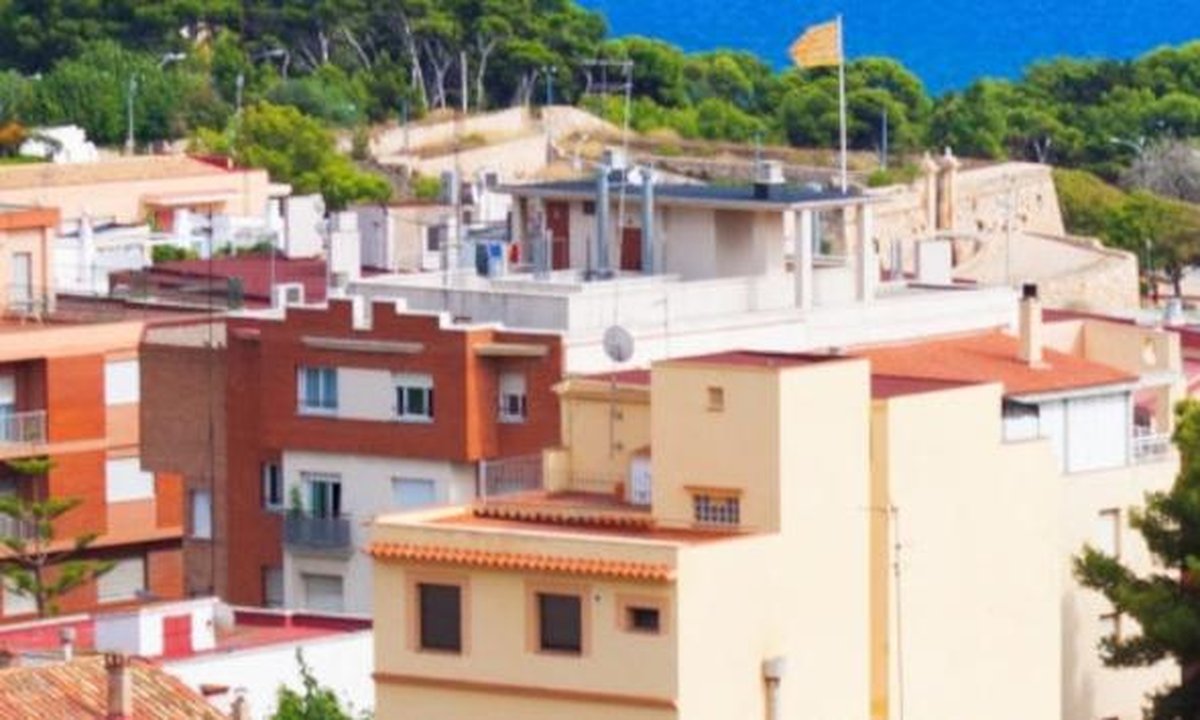
Spanish property enjoys well-deserved popularity: relatively low prices compared to other EU countries, a transparent purchase process for foreign buyers, the possibility of obtaining a residence permit, and access to mortgages from Spanish banks. Buying a house in Spain is a realistic and attractive prospect for families, investors, and those who dream of life by the warm sea. In this article we cover the types of property available in Spain, the characteristics of different housing formats, and what to look for when choosing.
At Granfield Estate, we’ve helped hundreds of buyers find every type of home on the Costa Blanca — from budget studios to luxury villas. As a licensed agency (RAICV1663) and member of Asivega, we know the local market and its nuances first-hand.
Types of Property in Spain
The Spanish housing market offers a wide range of formats — from compact studios to spacious villas with pools. Let's look at the main property types.
Studio, Apartment, Penthouse
Studio — a one-room flat in a multi-apartment building or townhouse, with a European or American-style kitchen fitted with built-in furniture and a hob, separated from the living area by a decorative unit or breakfast bar. Ideal for a single person or couple, and for renting to tourists.
Apartment — a multi-room flat in a residential building or townhouse complex. Apartments have a separate entrance and may occupy one floor or span two to three levels. The most common type of property for permanent residence and investment letting.
Penthouse (ático) — a flat with a spacious terrace, located on the top floor or roof of a multi-storey building. Two-level penthouses (atico duplex) occupying the two top floors also exist. Penthouses are among the most expensive properties on the market, offering panoramic views of the sea or city.
Townhouse — Residential Complex
Townhouse (urbanización) — a complex of one-, two-, or three-storey buildings in a unified architectural style with shared amenities:
- Parking or underground garage
- Security (in gated complexes)
- Sports and children's play areas
- Swimming pool
- BBQ and leisure areas
A townhouse may be arranged in a block with a shared courtyard or as a single elongated building with separate entrances for each unit. Two-storey houses in Spain are called "duplex", three-storey ones "triplex".
Bungalow
Bungalow — a small one- or two-storey building of at least 50 m² for one family. Typical features: plastered walls in white or pastel colours, a flat roof-terrace, and a small private courtyard (patio). Bungalows are often part of gated communities with a pool and shared amenities. An excellent option for families with children.
Chalet
Chalet — a detached house of 100 m² or more with a plot of land, typically in a suburban or rural setting. A chalet may be individual (villa independiente) or semi-detached (chalet pareado). Having a private pool, garden, and garage is standard for this property type.
Villa
Villa — a spacious detached house of 150 m² or more with a plot, a pool, and often sea views. Villas represent the most expensive segment of Spanish real estate. On the Costa Blanca, sea-view villas start from €350,000–€500,000.
Spain: A Home by the Sea
Buying a property directly on the coast is the main dream of most foreign buyers. The Spanish market offers several options for those seeking seaside property:
- Primera línea de playa — first line from the beach. Maximum price, direct sea access or sea view. The most liquid property type for rentals.
- Segunda línea — second line, 100–300 m from the beach. Optimal price-to-location ratio.
- Cerca del mar — 5–15 minutes' drive from the beach. Significantly cheaper than coastal properties, but requires a car.
Spanish Architecture: Styles and Features
Spanish architecture is a unique blend of western and eastern traditions. On the Mediterranean coast, the Mediterranean style predominates: white plastered walls, terracotta-tiled roofs, green patios, arched structures, and wrought iron elements.
Modern residential complexes on the Costa Blanca increasingly feature the minimalist style — sleek concrete and glass facades, large terraces, panoramic windows, and infinity pools with sea views. These properties are particularly popular with European buyers.
What to Check When Buying a House in Spain
Cadastral Records and Building Permits
Before purchasing, verify that all structures on the plot — garage, canopy, annexes — are registered in the cadastre and have the necessary permits. Illegal constructions in Spain can result in fines or mandatory demolition.
Utilities and Engineering Systems
Check the condition of all utilities: electricity, water supply, sewage (mains or septic tank), gas or heat pump. Older homes often require updated wiring or pipe replacement.
Community Fees
If the house is part of an urbanización, find out the monthly community charges (cuota de comunidad). These cover maintenance of the pool, garden, security, and shared infrastructure. Typically €80–€250 per month.
Energy Certificate
Since 2013, energy certification has been mandatory for all property sales or rentals in Spain. The certificate assigns a rating from A (high efficiency) to G (low). Modern A–C rated homes mean significantly lower electricity and air conditioning bills.
Is It Worth Renting Your Spanish Property?
Holiday rental in Spain is highly profitable during the tourist season. Typical rates on the Costa Blanca:
- 2-bedroom apartment: €600–€1,200 per week (July–August)
- Townhouse with pool: €1,000–€2,000 per week
- Villa with pool and garden: €2,000–€5,000 per week
A tourist licence (licencia turística) is required for holiday letting. Licensing rules vary by municipality and have become stricter since 2022–2024. Clarify this before purchasing if you plan to rent out the property.
Mortgage for Foreigners in Spain
Spanish banks are willing to lend to non-residents — provided they can demonstrate income and a good credit history. Standard mortgage terms for non-residents:
- Down payment: 30–40% of the property value
- Term: up to 20–25 years
- Rate: from 3.5% fixed or Euribor + 1–1.5% variable (as of 2025)
Conclusion
A house in Spain is not just property — it is a lifestyle: warm sea, excellent food, friendly neighbours, and the unhurried Mediterranean pace. The Spanish market offers a broad choice of formats, from budget studios to luxurious sea-view villas. The key is to clearly define your purchase objectives, choose the right region and property type, and then complete the transaction professionally. The Granfield Estate team is ready to guide you through every step of the process.
How Granfield Estate Helps You Find Your Home in Spain
- Every property type covered: Whether you’re looking for a studio, bungalow, townhouse, or villa — our agents know what’s available and at what price across Torrevieja, Orihuela Costa, Guardamar, and Alicante.
- In-house lawyer (10+ years): Cadastral checks, building permits, community debts, notary — all handled. Free first consultation.
- Rental setup: If you plan to let your property, we manage tourist licences, marketing, and guest management.
Granfield Estate
Av. Bélgica 1, C.C. Parquemar, La Mata, 03188 Torrevieja (Alicante)
Tel: +34 865 44 33 33
Browse our listings · Contact us
Frequently Asked Questions
What is the difference between a villa and a bungalow in Spain?
A villa is typically a standalone house with its own plot and pool, often two or three stories high. A bungalow is a small single-story house within a residential complex with a shared pool and infrastructure. Bungalows are significantly more affordable and require less maintenance, while offering a separate entrance and a small yard.
What is a townhouse in Spain?
A townhouse (adosado) is a two or three-story house attached to neighboring houses by side walls. It usually has its own small yard (patio) or terrace, as well as an underground garage. It is a popular format for families: more space than an apartment but cheaper than a standalone villa. It often forms part of gated residential complexes with a pool.
Is a penthouse in Spain a good investment?
Penthouses have a steady demand both in tourist rentals and resale due to their unique combination of panoramic views and large terraces. They occupy a niche market segment, so liquidity is somewhat lower than that of standard apartments; however, the price per square meter upon sale is usually higher than the average for the building.
What type of property in Spain is best for rental investment?
For short-term tourist rentals, apartments and bungalows located 5–15 minutes from the sea with a pool in the complex perform best. For long-term rentals, two-bedroom apartments in developed infrastructure areas are ideal. Before purchasing, it is important to ensure that the property can obtain a tourist license (licencia turística) — without it, short-term rentals are illegal.
Why Granfield Estate?
-
⚑
Office on the coast — we live here
Our office is in La Mata, Torrevieja. We know every neighbourhood, every street and the real prices — not from a catalogue, but from daily work on the ground.
-
⚖
In-house lawyer — 10+ years of experience
NIE, bank account, property check, contract, notary — legal support at every step. First consultation free.
-
🏠
Property management
Buying to rent? Our management company handles tenant search, maintenance and all questions.
-
🌐
We speak your language
English, Spanish, Russian, German, Finnish, Swedish and more. Licence RAICV 1663, member of Asivega.
Granfield Estate · Av. Bélgica 1, C.C. Parquemar, La Mata, 03188 Torrevieja · +34 865 44 33 33
Read also

5 Places in Torrevieja I'd Never Buy Property
28.10.2024
Torrevieja is a city of contrasts: great residential complexes sit alongside areas with questionable construction quality. An experienced estate agent honestly names five places where he would never buy property himself, and explains why. Essential reading before you start your search.

5 Reasons Why People Buy Property in Spain
08.03.2026
A seaside retreat, rental income, a smart investment, a path to residency — every buyer has their own motivation. We break down five key reasons people choose the Costa Blanca coast and what they actually gain. Real advantages, honestly presented.

5 Reasons Why Property in Torrevieja Won't Get Cheaper
09.03.2026
Many buyers wait for prices to drop — and lose precious time. Population growth, a shortage of new developments, limited supply near the sea and several more factors explain why prices in Torrevieja will keep rising. Those who put off buying five years ago can no longer afford a two-bedroom flat.