

School System in Spain 2025: Ages, Stages and Guide for Expat Families
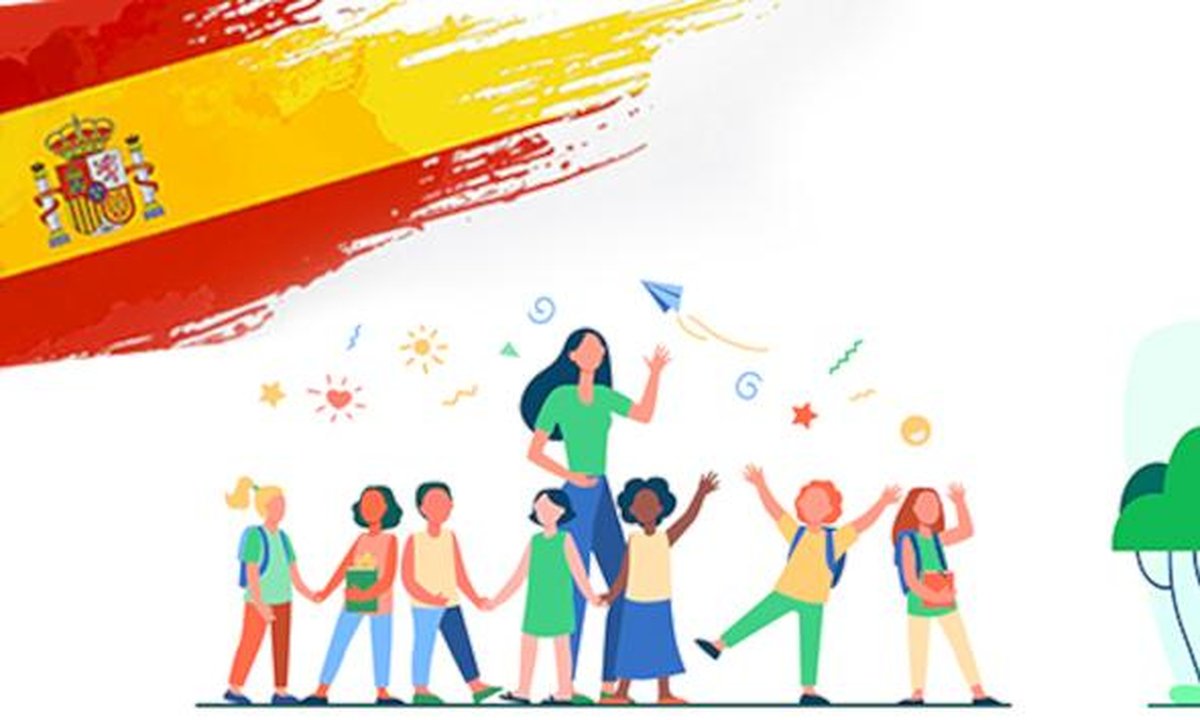
School System in Spain: Everything Expat Parents Need to Know
Spain is one of Europe's top destinations for families with children — and for good reason. State school education is free, good quality, and open to every child living in Spain, regardless of their legal status. Citizens, residents, and even children without documentation all have the right to attend a Spanish state school. When you move to Spain with a child of any age, you can be sure they will be welcomed.
At Granfield Estate, we regularly help families with school-age children relocate to the Costa Blanca, and choosing the right school is always one of their first questions.
Granfield Estate helps families with children find a home in the right area — close to the school that suits them. If you are planning a move to the Costa Blanca, we are happy to advise you on neighborhoods, schools and the enrollment process. First consultation is free.
The Spanish Education System: Stages and Ages
Spain's national education system has four main stages:
- Educación Infantil (ages 0–6) — Early childhood education. Nurseries (guarderías) for ages 0–3 are fee-paying. School groups for ages 3–6 are free in state schools. Not compulsory, but most Spanish families enroll children at age 3.
- Educación Primaria (ages 6–12) — Primary school. 6 years, compulsory and free. Solid foundation in literacy, numeracy, sciences, history, music, PE and a foreign language (usually English).
- ESO — Educación Secundaria Obligatoria (ages 12–16) — Lower secondary. 4 years, compulsory and free. On completion, students receive the Título de Graduado en ESO.
- Bachillerato (ages 16–18) — Upper secondary. 2 years, not compulsory but required for university entry. On completion: Título de Bachiller.
- Universidad — University. Entry via the EBAU exam (equivalent to A-levels / SAT).

State Schools vs Private Schools in Spain
State schools (colegios públicos) are free for all children. Teaching is in Spanish, with Valencian as a compulsory second language in the Valencian Community (Alicante province). Quality is generally good, and newly arrived children are assigned a support teacher to help with the language.
State-subsidised schools (colegios concertados) are partly private, partly funded by the state. Often affiliated with the Catholic Church. Low fees or free, with a slightly more structured environment.
Private schools (colegios privados) — fully fee-paying. Includes international schools with British, American or IB (International Baccalaureate) curricula. Teaching in English. These are the most popular choice for English-speaking expat families.
International Schools on the Costa Blanca
For families moving to Alicante province with school-age children, international schools are an important consideration. The main options:
Elian's British School (Santa Pola) — British curriculum up to GCSE and A-Level. Small, close-knit atmosphere. Cost: €600–900/month.
Colegio El Limonar International School (Villajoyosa) — IB programme. One of the top-rated international schools in the region. Cost: €900–1,200/month.
The Lady Elizabeth School (Calpe) — British curriculum (IGCSE, A-Level). Small school with a family atmosphere. Cost: €700–1,000/month.
Colegio Escandinavo (Finestrat, near Benidorm) — Primarily for Scandinavian children, but also open to others. Swedish programme plus Spanish and English.
International school fees are significantly lower than comparable schools in the UK or Northern Europe, making the Costa Blanca attractive for families who want an English-language education without the London price tag.
How to Enroll Your Child in a Spanish School
For a state school, you will need:
- Passports (yours and your child's)
- NIE (Spanish tax ID number)
- Empadronamiento — certificate of registration at your local address (town hall)
- Vaccination records (cartilla de vacunación)
- Previous school records (translated if necessary)
Important: for state schools, your assigned school depends on your registered address (empadronamiento). Before signing a rental contract or buying a property, it is worth checking which school is in the catchment area of that address.
Granfield Estate helps families choose housing with the school location in mind. We know the catchment areas of the main schools in Torrevieja, Orihuela Costa, Alicante and surrounding areas. Tell us which school you have in mind and we will find the right neighborhood.
How Children Adapt to Spanish School
Children adapt significantly faster than adults — this is the consistent experience of expat families across the Costa Blanca. A few practical points:
- Children under 10 typically pick up Spanish without a tutor — they absorb the language naturally at school. Most primary-age children are speaking comfortably after 2–3 months.
- Older children (10+) may benefit from a Spanish language course before or shortly after starting school, since the curriculum is more demanding.
- Most state schools assign a support teacher (maestro de apoyo) to help new foreign children with Spanish.
- Language courses in Torrevieja and across the Costa Blanca are widely available and affordable (€30–60/month for group classes).
- Keep your home language alive — bilingualism strengthens cognitive development and is a long-term competitive advantage.

Extra-Curricular Activities on the Costa Blanca
Beyond school, the Costa Blanca offers excellent options for children's development:
Language schools: Language academies (academias de idiomas) exist in every town. Spanish for foreigners, English, German — wide choice. Group classes from €30–60/month.
Music and arts: Municipal music schools (Escuelas de Música) offer professional teaching at affordable prices. Private studios for drawing, ceramics and dance in every major town.
Sport: Football, basketball, swimming, gymnastics — municipal clubs from €15–30/month. Private clubs cost more but offer better facilities.
Online education: Many families complement Spanish school with online courses in their home language for maths, science or literature.
Why Spain and the Costa Blanca Are Great for Families
- Safety: Low crime rate in coastal areas. Children play outside independently from a young age.
- Education: State schooling is free. International schools are affordable compared to the UK or Scandinavia.
- Climate: 320 sunny days a year — children spend more time outdoors, which benefits health and wellbeing.
- Languages: Spanish + English at school + home language = children become natural polyglots.
- International community: Spanish, English, Scandinavian, French, Dutch, Russian-speaking families — a cosmopolitan upbringing.
- Pace of life: Less pressure, more time for family and outdoor activities.
Families who move to Spain with children rarely regret it. Children adapt quickly, thrive in the sunshine and gain an international outlook that stays with them for life.
Frequently Asked Questions
Is school free in Spain for foreigners?
Yes. State schools in Spain are free for all children living in the country, regardless of nationality or legal status. There are no fees for tuition in public schools (colegios públicos). The only requirement is registration at your local address (empadronamiento).
At what age do children start school in Spain?
Compulsory education starts at age 6 (Educación Primaria). However, most families enroll children at 3 into free state kindergarten groups (Educación Infantil, ages 3–6). Nurseries for under-3s are fee-paying.
Do children need to speak Spanish to start school in Spain?
No. Schools are experienced in welcoming children who speak no Spanish. Most state schools provide a support teacher to help new foreign pupils with language acquisition. Primary-age children typically reach conversational fluency within a few months.
What is the difference between ESO and Bachillerato?
ESO (ages 12–16) is compulsory lower secondary education providing broad general education. Bachillerato (ages 16–18) is non-compulsory upper secondary education that prepares students specifically for university or advanced vocational training.
Moving to Spain with children? Granfield Estate will help you find a home near the right school. We know the catchment areas of all major schools in the province. First consultation is free.
Frequently Asked Questions
Is school free in Spain for foreign children?
Yes. Public schools in Spain are free for all children residing in the country, regardless of nationality and status. The only requirement is registration at the place of residence (empadronamiento). There are no entrance fees or tuition charges in public schools.
Does a child need to know Spanish before enrolling in school?
No. Spanish schools have extensive experience working with children who do not know the language. Most public schools provide additional support from a speech therapist or language adaptation specialist. Children of primary school age typically reach conversational Spanish within a few months.
How to choose the right school near the apartment you are buying?
Spain has a system of "catchment areas" — each address is assigned to specific schools. When choosing housing, it is advisable to check in advance which schools (public, semi-private "concertadas," or private) are in the priority enrollment zone. Granfield Estate knows the catchment areas of all major schools in the province of Alicante and helps families choose a neighborhood with a suitable school.
What is the difference between public, concertada, and private schools in Spain?
Public (colegio público) — free, funded by the government. Concertada — private schools that receive government subsidies: tuition is free or almost free, often religious. Private (colegio privado) — fully paid, €4,000–10,000 per year; often offer instruction in English or through international programs (IB).
Our team at Granfield Estate lives and works on the Costa Blanca year-round. If you’re considering a move to Spain or looking for property in the area, we’re happy to share our local knowledge — get in touch for a free consultation.
Granfield Estate
Av. Bélgica 1, C.C. Parquemar, La Mata, 03188 Torrevieja (Alicante)
Tel: +34 865 44 33 33
Why Granfield Estate?
-
⚑
Office on the coast — we live here
Our office is in La Mata, Torrevieja. We know every neighbourhood, every street and the real prices — not from a catalogue, but from daily work on the ground.
-
⚖
In-house lawyer — 10+ years of experience
NIE, bank account, property check, contract, notary — legal support at every step. First consultation free.
-
🏠
Property management
Buying to rent? Our management company handles tenant search, maintenance and all questions.
-
🌐
We speak your language
English, Spanish, Russian, German, Finnish, Swedish and more. Licence RAICV 1663, member of Asivega.
Granfield Estate · Av. Bélgica 1, C.C. Parquemar, La Mata, 03188 Torrevieja · +34 865 44 33 33
Read also

Studying at universities in Spain
02.04.2026
Degrees from Spanish universities are recognised worldwide, and 25 of them rank among the world's top institutions. During their studies, students master the world's second most spoken language. We cover admissions, costs, scholarships, and the benefits of studying in a country with excellent quality of life.

Spain vs Dubai Property Investment 2026: An Honest Comparison
10.09.2026
A comprehensive, data-driven comparison of buying property in Spain versus Dubai in 2026. We analyse prices per square metre, rental yields, taxes, residency options, off-plan risks, quality of life, and long-term market stability to help you make the right investment decision.

Spain vs Turkey: Where to Buy Property in 2026 — Complete Comparison
09.09.2026
A data-driven comparison of buying property in Spain versus Turkey in 2026. We analyse prices, rental yields, currency risk, residency options, legal security, and quality of life to help you make the right investment decision.