What legal checks are needed when buying a plot in Spain?
Buying a plot of land in Spain requires thorough legal due diligence to avoid costly mistakes. Here are the essential checks your lawyer must perform:
1. Land classification (clasificacion del suelo). Verify whether the plot is urban (urbano), urbanisable (urbanizable) or rustic (rustico). Only urban land has guaranteed building rights with existing infrastructure. Your lawyer should obtain a certificado urbanistico from the town hall confirming the exact classification and permitted building parameters.
2. Building parameters. Check the maximum buildable area (edificabilidad), maximum height, number of floors permitted, setback distances from boundaries (retranqueos), and any design restrictions. These parameters define exactly what you can build on the plot.
3. Nota simple (land registry extract). This document from the Registro de la Propiedad confirms ownership, boundaries, area and any charges, mortgages or encumbrances on the land. Essential for verifying that the seller has clear title and the right to sell.
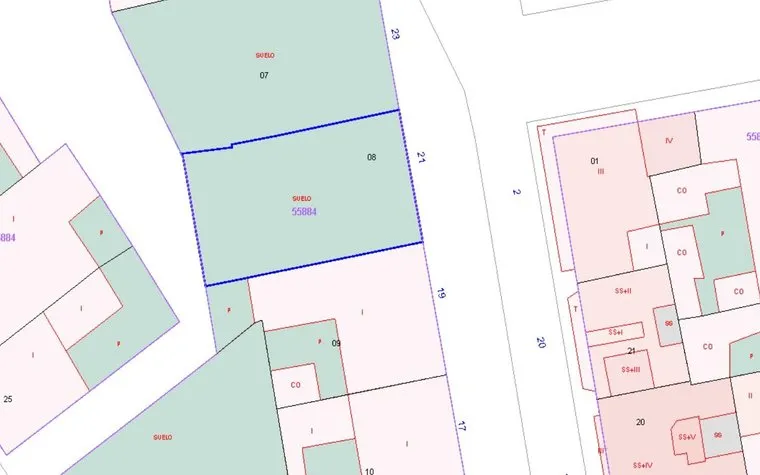
4. Cadastral reference. Cross-check the land registry information with the Catastro (cadastral office) to verify that boundaries and area match. Discrepancies between the two are common in Spain and should be resolved before purchase.
5. Infrastructure connections. For urban plots, verify that water, electricity, sewerage and road access are available at the plot boundary. For rustic plots, assess the cost and feasibility of connecting utilities, which can add €10,000-30,000 to project costs.
6. Environmental and heritage restrictions. Check for protected zones (zonas verdes, areas protegidas), flood risk areas, archaeological sites, or nearby protected buildings that might restrict or prevent construction.
7. Debts and taxes. Ensure there are no outstanding IBI taxes, community debts or infrastructure levies (cuotas de urbanizacion) attached to the plot. These transfer to the buyer if not settled before purchase.